Our Vision
R Hope Treatment focuses on becoming a clear local TMS and PrTMS clinic in Evanston for patients across Chicago and the North Shore.

PrTMS is discussed as a personalized approach to repetitive transcranial magnetic stimulation that uses EEG-informed data and symptom tracking to help clinicians individualize treatment planning.
Janet Starck, MD
Internal Medicine
PrTMS-informed care should be discussed with a clinician. Device clearance, protocol, medical indication, and patient fit are reviewed before treatment is recommended.

PrTMS is short for Personalized Repetitive Transcranial Magnetic Stimulation. At R Hope, it is presented as an EEG-informed treatment-planning approach layered onto TMS care, not as a blanket promise that every diagnosis or protocol is FDA-cleared.
Our Vision
R Hope Treatment focuses on becoming a clear local TMS and PrTMS clinic in Evanston for patients across Chicago and the North Shore.
Our Mission
Our mission is to make treatment planning easier to understand, with EEG-informed review, clinician oversight, and clear discussions about eligibility, evidence, and next steps.
01.
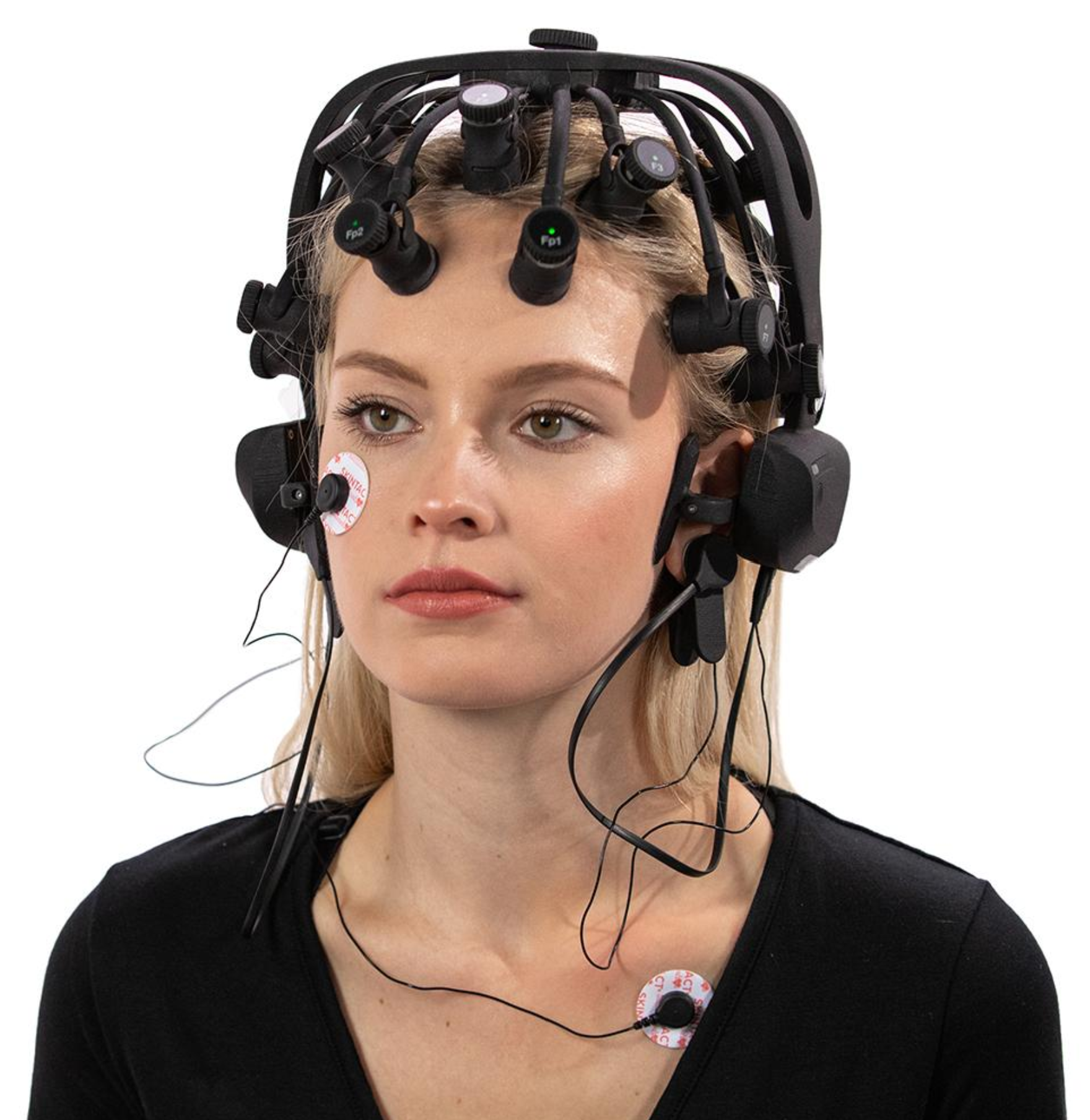
PeakInput is a functional measurement process that evaluates brain health. The EEG device records activity in less than 5 minutes, without wires or gels, across 19 functional regions of the brain.
02.
The biometric data collected in step one helps reveal a complete picture of a patient’s brain health, then a PrTMS treatment plan is generated and approved by a qualified provider.
03.
Therapy is delivered according to the treatment protocol developed in step two. Reassessment is repeated approximately once every 5 sessions so treatment can be optimized from session to session.
PrTMS-informed planning can help structure a more individualized care conversation. A clinician will determine whether TMS is appropriate for your diagnosis, treatment history, and goals.
Patients often ask about PrTMS-informed planning when depression treatment has not brought enough relief and a clinician is reviewing next steps.
Some TMS devices and protocols have specific indications. The team can explain what is supported, what is off-label, and what requires physician evaluation.
Patients and families may ask about broader symptoms. Evidence, eligibility, and goals vary, so these conversations should stay individualized.
EEG-informed review and symptom tracking can help the clinical team understand patterns over time without promising a specific outcome.
Condensed schedules should be reviewed carefully for fit, safety, indication, and patient logistics before a plan is recommended.
For eligible patients, mobile TMS support may reduce travel barriers while keeping care tied to the treatment plan.
"This treatment gave me a new lease on life. I am grateful for what I have in front of me now."
Nicole B., Brain Health Hawaii
Patient
"It feels like my brain is 20 years younger. Brain alertness and stamina have increased greatly. I would highly recommend it."
Mike J., Brain Health Nebraska
Patient
"The process gave me a clearer way to understand progress and talk through next steps."
Daniel S., Mindset San Diego
Patient

Marko Zivkovic, owner
PrTMS specialist
Use the first consultation to ask what PrTMS-informed planning means, what is evidence-supported, and what a clinician would need to review before recommending TMS.
PrTMS is discussed as a personalized, data-guided TMS planning approach that uses EEG-informed review and symptom tracking before treatment is delivered.
The focus is personalization. Brain function and symptoms can be reviewed over time so the clinical team can discuss whether and how a treatment plan should be adjusted.
The page follows a three-step process: PeakInput, PeakLogic Tx, and PrTMS Therapy Delivery. Each step builds toward a more individualized treatment plan.
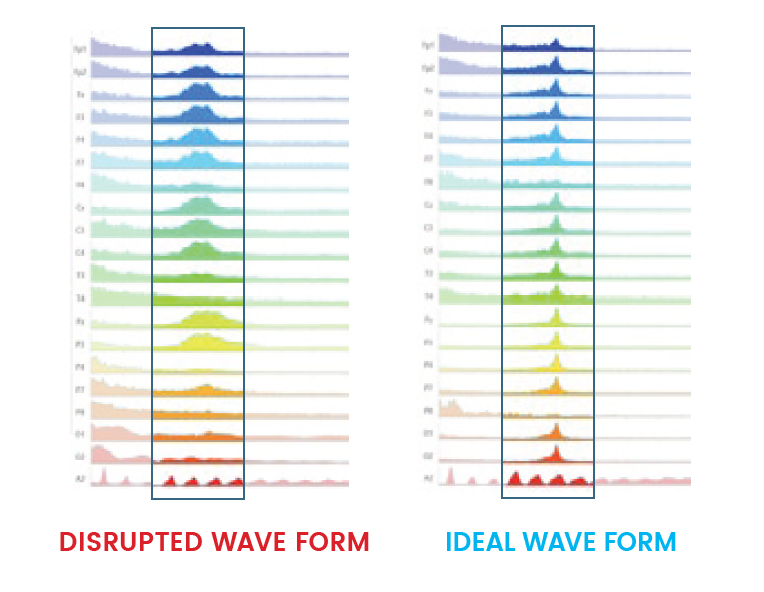
Some PrTMS explanations discuss irregular brainwave synchronization. EEG-informed data can support the care conversation, but treatment fit, device clearance, and protocol choice must be reviewed by a clinician.
PrTMS
A practical guide to PrTMS cost, coverage, treatment duration, and the questions that require a current plan-specific answer.
Read More
Depression
How untreated depression can affect energy, sleep, relationships, and long-term health, plus why TMS may be worth discussing as a non-invasive option.
Read More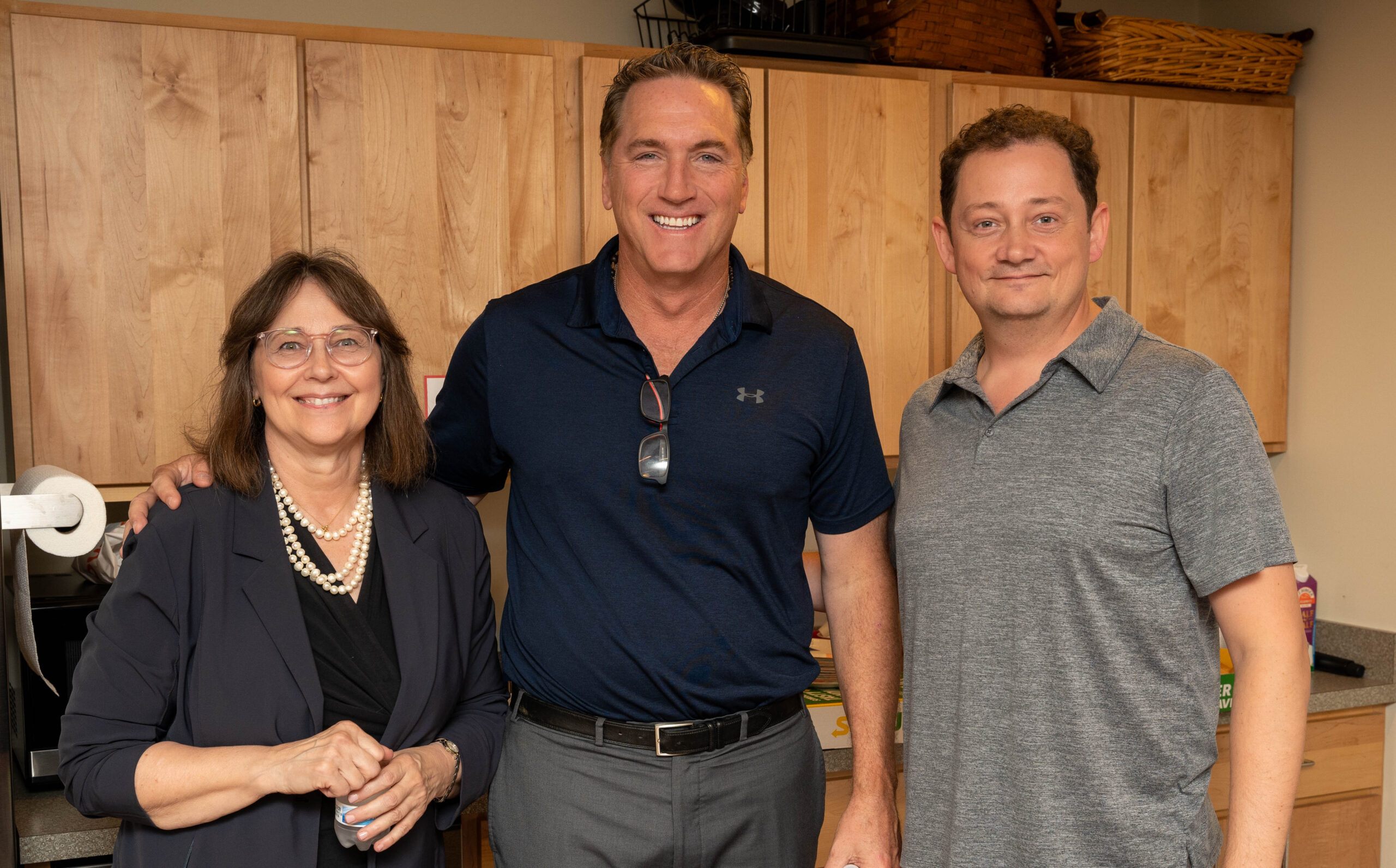
PrTMS
An overview of R Hope Treatment’s PrTMS-informed planning approach, including EEG review, clinical oversight, treatment limits, and cost questions.
Read More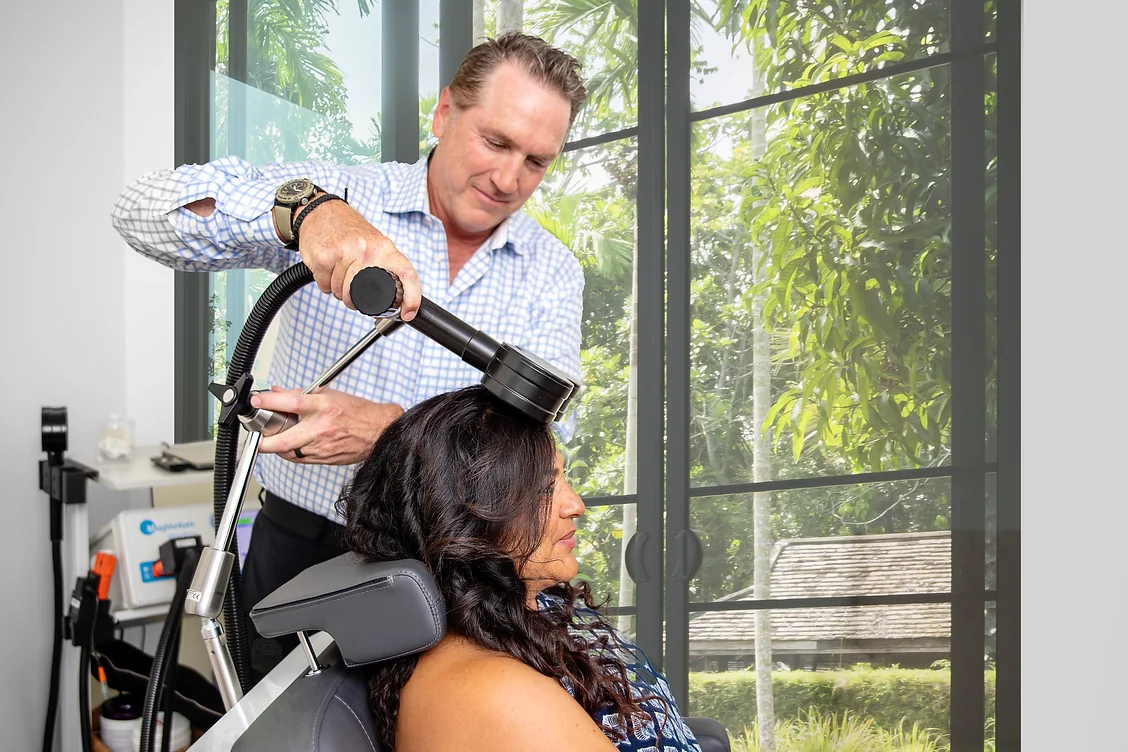
Clinic News
Historical clinic launch notes from R Hope Treatment. Opening promotions described here are not presented as current offers.
Read MoreThe first step is a clear clinical conversation about symptoms, prior treatment, goals, eligibility, and whether TMS is appropriate for your situation.
Marko Zivkovic, owner
PrTMS specialist
R Hope Treatment is a family-owned medical provider, guided by Janet Starck MD, committed to making personalized treatment planning easier to understand for patients and families.
Your privacy choices
We use optional analytics and chat tools to understand site use and help visitors contact the clinic. Essential site features work without them.